We like to do things differently at Venice Noir. Yes, there are plenty of sessions discussing crime and thriller fiction with some top authors. But we also want to delve beneath the surface and investigate some of the things that set the world of dark fiction ticking in the first place.
I’m lucky enough to be chairing (in a very light, hands-off way) two fascinating events in this area of the festival, so I thought I’d take time to tell you a little about them.
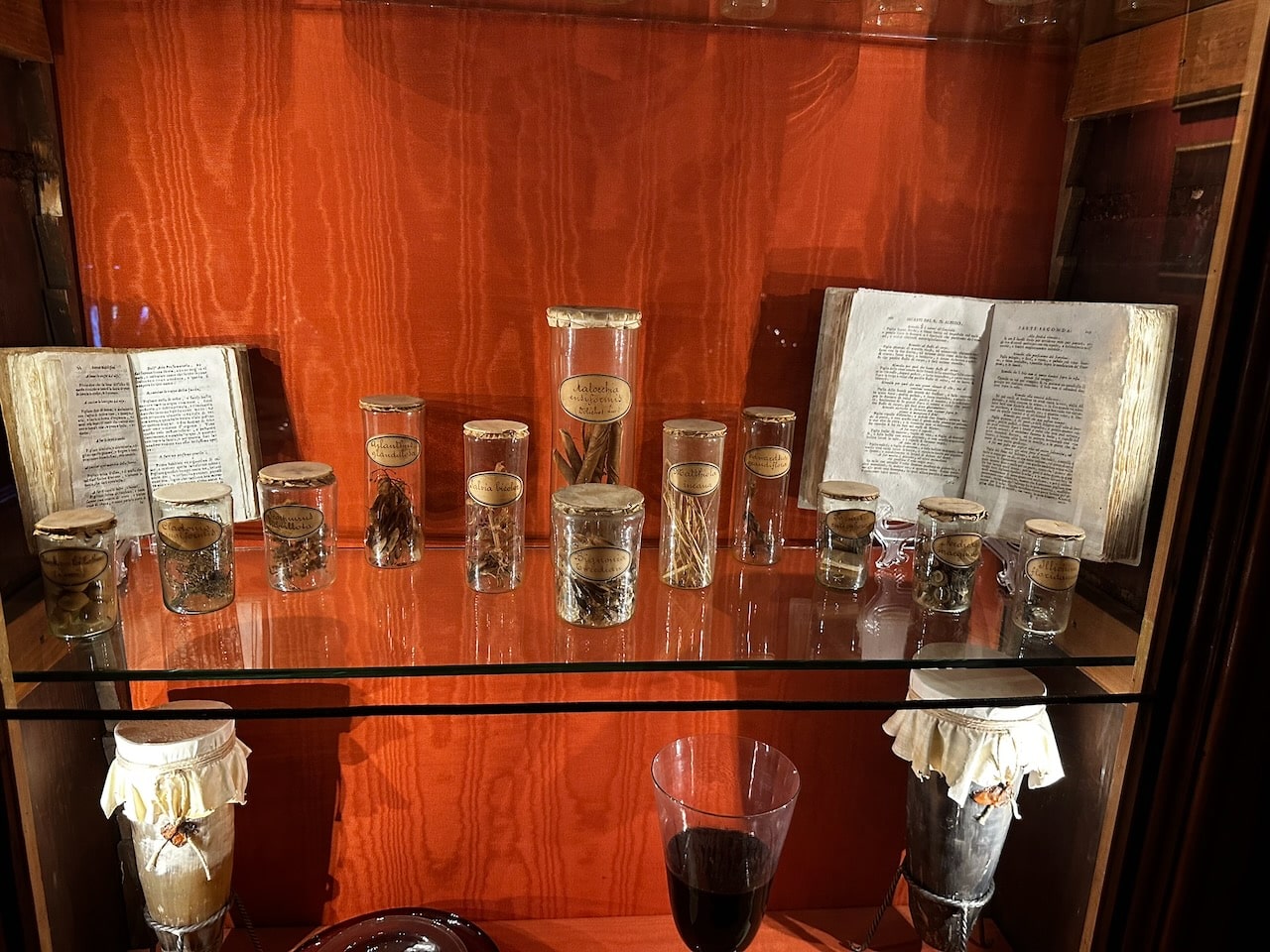
The first is entitled Passions and Poisons and will investigate some of the most notorious poisonings in history. Emily Gowers, Professor of Latin Literature at Cambridge, will take us back two thousand years to Rome and an imperial court where poison was as much a tool of political intrigue as a way of ridding the powerful of awkward enemies. She will focus on Nero’s poisoning of his stepbrother (and Claudius’ son and heir) Britannicus.
Catherine Fletcher, acclaimed Renaissance historian, will then slip forward fifteen hundred years to talk about the curious case of Cardinal Ippolito de’ Medici, who ate a light meal of bread and chicken broth, quickly fell ill and died shortly afterwards. It’s a fascinating and mysterious tale that Catherine recounts in her book The Black Prince of Florence.
Finally, we move to the twentieth century with Hallie Rubenhold and the case of Dr Crippen, which Hallie investigated for her bestselling non-fiction book Story of a Murder. It has everything: a mild-mannered doctor, a missing wife, remains buried in a London cellar and a dramatic chase across the Atlantic in which the new technology of wireless telegraphy helped bring a murderer to justice.
And, as they say, there’s more… because Dame Suzy Lishman, former president of the Royal College of Pathologists and creator of the YouTube sensation The Living Autopsy, will go back in time to each of these murders and tell us how a medical specialist of the time would approach them. How was poison detected in Imperial Rome, Renaissance Italy, and early twentieth century London? It’s going to be a fascinating journey through both history and foul deeds. Don’t miss it.


Friday November 13, 11:00 – 11:45, Ateneo Veneto.
Later that day, in Ancient Terrors, Modern Echoes, we’ll be looking back at the dark stories, real and imagined, that thrilled the ancient Greeks and Romans, and asking how the world’s earliest storytelling has influenced modern fiction today. Suspense, moral ambiguity, revenge, murder, treachery and the conundrum of fate against free will… the everyday elements of modern crime and thriller writing were all there two thousand and more years ago. Emily Gowers will be part of our team. She’ll be joined by Peter Stothard, former editor of The Times and Times Literary Supplement, now author of a series of non-fiction titles, among them The Last Assassin about the search for the killers of Julius Caesar, and Josephine Quinn whose account of ancient history How the World Made the West was book of the year for The Times/Sunday Times, Observer, Economist, Guardian, BBC History Magazine, i-paper, Novara Media and History Today.


The team will have some amazing dark tales to tell, I can promise you, from the aristocrats who fed errant slaves to their eels, then ate the eels for dinner, to the terrifying ‘black dinner’ the emperor Domitian inflicted on his senators. You’ll never see Ancient Rome and Greece the same way again, and you’ll see how the storytellers of the distant past still influence those of us in the craft today.
Friday November 13, 16:00 – 16:45, Ateneo Veneto.
Leave a Reply